 11 Ekim 2026
- İstanbul25°C▼
- Ankara25°C





Technology and automation will define the future of road transport according to new IRU research, but significant obstacles stand in the way
• In the face of geopolitical and economic uncertainty, technology-driven innovation will be key to meeting the challenges of tomorrow in the road transport sector, according to a survey published today by IRU.

05 Kasım 2018 Pazartesi 03:03
- This topic will top the agenda of the IRU World Congress, a new global event for transport, logistics and mobility which is opening this week in Muscat, Oman.
The global snapshot survey is based on interview data from 450 transport companies across Europe, the GCC and Asia, and reveals the following headline findings:
- Majority of transport companies in Europe, Asia and the Gulf Cooperation Council (GCC) countries (57%) view geopolitical uncertainty as the biggest threat to their development.
- Technology and innovation key to overcoming challenges and securing the future of the industry – over three quarters (76%) of transport companies surveyed expect autonomous trucks to become a viable option on the roads within the next decade.
- At the opening of its World Congress in Oman, IRU, the world road transport organisation, urges the industry to fix the digital foundations of transport in order to fully benefit from automation and other innovations.
Findings reveal that transport companies are concerned about macro global issues. Over half (57%) see geopolitical uncertainty as the biggest threat facing the sector – from escalating international trade wars to growing concerns around Brexit. The risk of global recession and the challenge of keeping up with changing customer demand are jointly seen as the second biggest threats to transport companies at 52%.
Umberto de Pretto, IRU’s Secretary General, commented: “The global transport system touches the lives of each of the planet’s seven billion people, from the food we eat to the consumer goods we buy. So it’s perhaps not surprising that many of the issues facing society today are also considered by transport companies to be their biggest challenges. These include some of the main themes that dominate the international agenda, including geopolitics, trade and the environment.”
Tech to provide a safe, successful, sustainable future
Transport companies recognise that developments in technology and innovation will be key to building a safe, successful and sustainable industry in the future. One in three (33%) transport companies across every region believe that improving safety will be the biggest innovation opportunity, while one in five cite automation.
In fact, transport companies are extremely optimistic about the timescales for automation – over three quarters (76%) of transport companies expect autonomous trucks to become a viable option within the next decade; of these, 29% believe they will be a reality on our roads in the next five years. Transport companies believe the primary benefit of automation will be boosting productivity (50%), followed by helping to cut costs (19%).
Breaking through the road blocks to digitisation
Barriers to adopting technology persist – with transport companies citing the major challenges to adopting technology driven innovation as cost and investment (71%), followed by a limited understanding of the range of emerging technologies available (50%).
This suggests that pockets of the industry have yet to embrace new technologies and processes, and that there is still work to do to fix the digital foundations of the industry before technology-driven innovation can be optimised properly.
Gearing up for automation
Similarly, while many transport companies believe autonomous trucks are just around the corner, the reality is that there is still some way to go before they become a safe, secure and sustainable option on our roads.
While the technology itself is becoming ever more sophisticated, there is a risk that it will be held back by the lack of necessary investment in infrastructure.
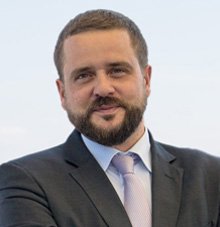 Boris Blanche, IRU’s Managing Director, commented: “There is no question that autonomous trucks will eventually be transformative for the industry – helping boost productivity, create efficiencies and enhance driver working conditions. But drivers will not become obsolete any time in the future, and in fact the industry must continue to encourage more drivers into the profession. Proper and responsible adoption over time is required, and we must see full cooperation from all industry stakeholders.”
Umberto de Pretto, continued: “For technology to take hold, and for the industry to truly benefit from it, we must ensure we have the foundations in place. This means first getting the basics right, such as full transitioning to digital  documentation, improving traceability, security and efficiency. We must work harder to join the dots between operators, service providers, manufacturers and governments to nurture a supportive environment for innovation and digitisation.
“We must also push for legislation and policies that encourage all operators to invest in the technology needed to make these innovations the norm. At IRU, our role is to champion the potential of the industry and promote this cooperation, to empower all operators in the sector to seize the great innovation opportunity.”
![UTİKAD Başkanı Bilgehan Engin: “Sektörümüzün Başarılarını Atlas Lojistik Ödülleri’nde Hep Birlikte Taçlandıralım”]() UTİKAD Başkanı Bilgehan Engin: “Sektörümüzün Başarılarını Atlas Lojistik Ödülleri’nde Hep Birlikte Taçlandıralım”2026 Atlas Lojistik Ödülleri’nde, 12 Ekim 2026’da sona erecek “Online Yarışma Kategorisi” adaylık süreci için açıklamalar yapan UTİKAD Başkanı Bilgehan Engin, “Tüm sektörümüzü aday olmaya ve başarılı buldukları adayları desteklemeye davet ediyoruz” dedi.09 Ekim 2026 Cuma 12:14Lojistik
UTİKAD Başkanı Bilgehan Engin: “Sektörümüzün Başarılarını Atlas Lojistik Ödülleri’nde Hep Birlikte Taçlandıralım”2026 Atlas Lojistik Ödülleri’nde, 12 Ekim 2026’da sona erecek “Online Yarışma Kategorisi” adaylık süreci için açıklamalar yapan UTİKAD Başkanı Bilgehan Engin, “Tüm sektörümüzü aday olmaya ve başarılı buldukları adayları desteklemeye davet ediyoruz” dedi.09 Ekim 2026 Cuma 12:14Lojistik![Prometeon’dan Devnak Filosuna Uçtan Uca Lastik ve Filo Yönetimi]() Prometeon’dan Devnak Filosuna Uçtan Uca Lastik ve Filo YönetimiPrometeon Türkiye, Devnak Nakliyat Grubu’nun 400 araçlık filosunda toplam 2.800 lastiği bulunan operasyonuna 360 derece lastik yönetimi sunacak.08 Ekim 2026 Perşembe 17:07Yan Sanayi
Prometeon’dan Devnak Filosuna Uçtan Uca Lastik ve Filo YönetimiPrometeon Türkiye, Devnak Nakliyat Grubu’nun 400 araçlık filosunda toplam 2.800 lastiği bulunan operasyonuna 360 derece lastik yönetimi sunacak.08 Ekim 2026 Perşembe 17:07Yan Sanayi![Iveco Türkiye’nin Yeni Ülke Müdürü Mehmet Karal Oldu]() Iveco Türkiye’nin Yeni Ülke Müdürü Mehmet Karal OlduOtomotiv sektöründe 20 yılı aşkın deneyime sahip Mehmet Karal, 28 Eylül 2026 itibarıyla Iveco Türkiye Ülke Müdürü olarak göreve başladı. Karal, markanın Türkiye’deki ticari operasyonları ve büyüme stratejisinden sorumlu olacak.07 Ekim 2026 Çarşamba 21:04Ticari Araçlar
Iveco Türkiye’nin Yeni Ülke Müdürü Mehmet Karal OlduOtomotiv sektöründe 20 yılı aşkın deneyime sahip Mehmet Karal, 28 Eylül 2026 itibarıyla Iveco Türkiye Ülke Müdürü olarak göreve başladı. Karal, markanın Türkiye’deki ticari operasyonları ve büyüme stratejisinden sorumlu olacak.07 Ekim 2026 Çarşamba 21:04Ticari Araçlar![Hyundai STARIA Cargo’da Hızlı Şarj ve Verimlilik Sunmayı Hedefliyor]() Hyundai STARIA Cargo’da Hızlı Şarj ve Verimlilik Sunmayı HedefliyorHyundai STARIA Cargo, 450 kilometreye varan elektrikli menzili ve 800 voltluk mimarisiyle yüzde 10’dan yüzde 80’e 20 dakikada şarj imkânı sunuyor.07 Ekim 2026 Çarşamba 20:46Ticari Araçlar
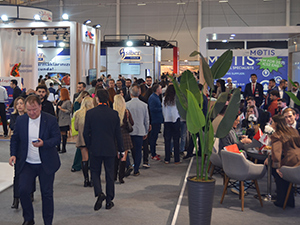
Hyundai STARIA Cargo’da Hızlı Şarj ve Verimlilik Sunmayı HedefliyorHyundai STARIA Cargo, 450 kilometreye varan elektrikli menzili ve 800 voltluk mimarisiyle yüzde 10’dan yüzde 80’e 20 dakikada şarj imkânı sunuyor.07 Ekim 2026 Çarşamba 20:46Ticari Araçlar![logitrans: Lojistik Sektörünün Radarındaki Küresel Buluşma]() logitrans: Lojistik Sektörünün Radarındaki Küresel Buluşma19. logitrans,15 ’den fazla ülkeden sektör profesyoneli, uluslararası markalar ve lojistik sektörünün tüm taşıma modlarını tek platformda buluşturmaya hazırlanıyor.07 Ekim 2026 Çarşamba 11:13Lojistik
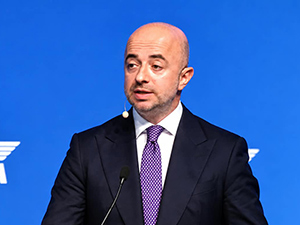
logitrans: Lojistik Sektörünün Radarındaki Küresel Buluşma19. logitrans,15 ’den fazla ülkeden sektör profesyoneli, uluslararası markalar ve lojistik sektörünün tüm taşıma modlarını tek platformda buluşturmaya hazırlanıyor.07 Ekim 2026 Çarşamba 11:13Lojistik![Olmuştur: “Emniyet Tüm Faaliyetlerimizin Merkezinde”]() Olmuştur: “Emniyet Tüm Faaliyetlerimizin Merkezinde”THY Genel Müdürü Ahmet Olmuştur, havacılıkta teknoloji yatırımlarının insan deneyimi ve sağduyusuyla değer kazandığını belirterek güçlü emniyet kültüründe ortak sorumluluğa dikkat çekti.06 Ekim 2026 Salı 20:50Havayolu
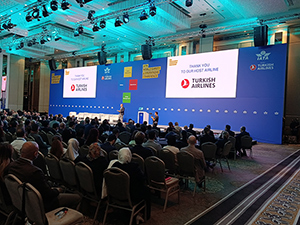
Olmuştur: “Emniyet Tüm Faaliyetlerimizin Merkezinde”THY Genel Müdürü Ahmet Olmuştur, havacılıkta teknoloji yatırımlarının insan deneyimi ve sağduyusuyla değer kazandığını belirterek güçlü emniyet kültüründe ortak sorumluluğa dikkat çekti.06 Ekim 2026 Salı 20:50Havayolu![IATA Havacılıkta Emniyet ve Güvenlik Konusunu İstanbul’da Konuşuyor. “İstanbul Dünyanın Önde Gelen Küresel Havacılık Merkezi”]() IATA Havacılıkta Emniyet ve Güvenlik Konusunu İstanbul’da Konuşuyor. “İstanbul Dünyanın Önde Gelen Küresel Havacılık Merkezi”#IATA #THY #havayolu06 Ekim 2026 Salı 20:42Havayolu
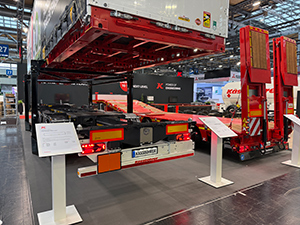
IATA Havacılıkta Emniyet ve Güvenlik Konusunu İstanbul’da Konuşuyor. “İstanbul Dünyanın Önde Gelen Küresel Havacılık Merkezi”#IATA #THY #havayolu06 Ekim 2026 Salı 20:42Havayolu![Tırsan’dan Verimlilik ve Güvenlik Odaklı Treyler Teknolojileri]() Tırsan’dan Verimlilik ve Güvenlik Odaklı Treyler TeknolojileriTırsan, IAA Transportation 2026’da sergilediği 15 araçla verimlilik, yük güvenliği, dayanıklılık ve elektrifikasyon alanlarındaki çözümlerini sektör temsilcileriyle buluşturdu.06 Ekim 2026 Salı 18:36Ticari Araçlar
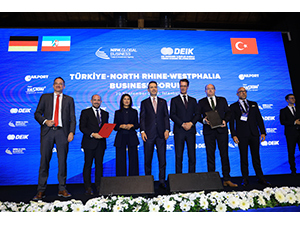
Tırsan’dan Verimlilik ve Güvenlik Odaklı Treyler TeknolojileriTırsan, IAA Transportation 2026’da sergilediği 15 araçla verimlilik, yük güvenliği, dayanıklılık ve elektrifikasyon alanlarındaki çözümlerini sektör temsilcileriyle buluşturdu.06 Ekim 2026 Salı 18:36Ticari Araçlar![Railport’tan Türkiye–NRW Lojistik Bağlantılarına Destek]() Railport’tan Türkiye–NRW Lojistik Bağlantılarına DestekRailport’un desteklediği Türkiye–Kuzey Ren-Vestfalya (NRW) İş Forumu’nda, ticaret ve yatırım ilişkilerinin geliştirilmesinde intermodal bağlantıların ve ulaşım koridorlarının rolü ele alındı.02 Ekim 2026 Cuma 19:20Lojistik
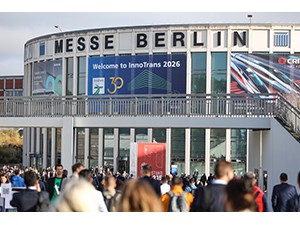
Railport’tan Türkiye–NRW Lojistik Bağlantılarına DestekRailport’un desteklediği Türkiye–Kuzey Ren-Vestfalya (NRW) İş Forumu’nda, ticaret ve yatırım ilişkilerinin geliştirilmesinde intermodal bağlantıların ve ulaşım koridorlarının rolü ele alındı.02 Ekim 2026 Cuma 19:20Lojistik![InnoTrans 2026 Highlights the Future of Rail Mobility]() InnoTrans 2026 Highlights the Future of Rail MobilityInnoTrans 2026 marked its 30th anniversary with record participation, bringing together 175,591 trade visitors and 3,190 exhibitors in Berlin.02 Ekim 2026 Cuma 19:06World News
InnoTrans 2026 Highlights the Future of Rail MobilityInnoTrans 2026 marked its 30th anniversary with record participation, bringing together 175,591 trade visitors and 3,190 exhibitors in Berlin.02 Ekim 2026 Cuma 19:06World News


- Geri
- Ana Sayfa
- Normal Görünüm
- © 2026 Kargo Haber
Türkçe karakter kullanılmayan ve büyük harflerle yazılmış yorumlar onaylanmamaktadır.